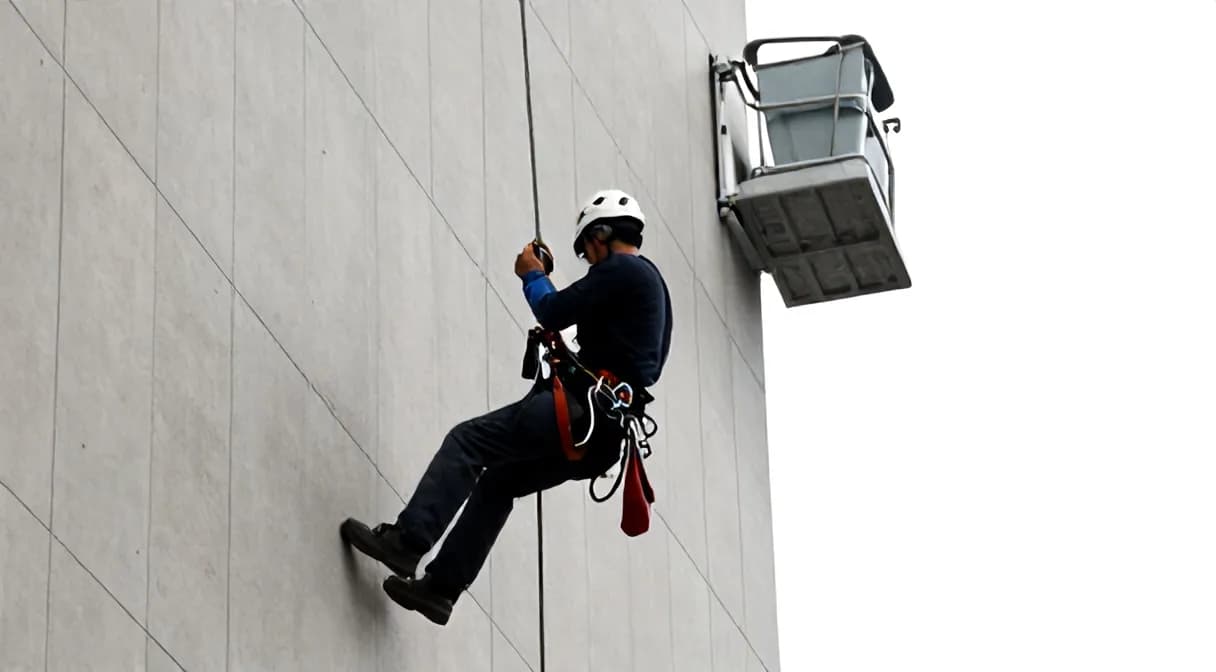
High-level glass works in Singapore involve working at heights where a slip or equipment failure can lead to serious injury. Recognising these risks early helps you choose the right safety measures and comply with local regulations.
Common hazards include falling objects, wind gusts, and inadequate anchorage. Conduct a site‑specific risk assessment before any work begins to identify potential dangers and plan mitigation steps.
RH Glass Solution’s 24/7 emergency service often deals with urgent high‑rise repairs, so having a clear safety plan ensures the job is completed quickly without compromising worker safety.
Choosing the Right Access Method
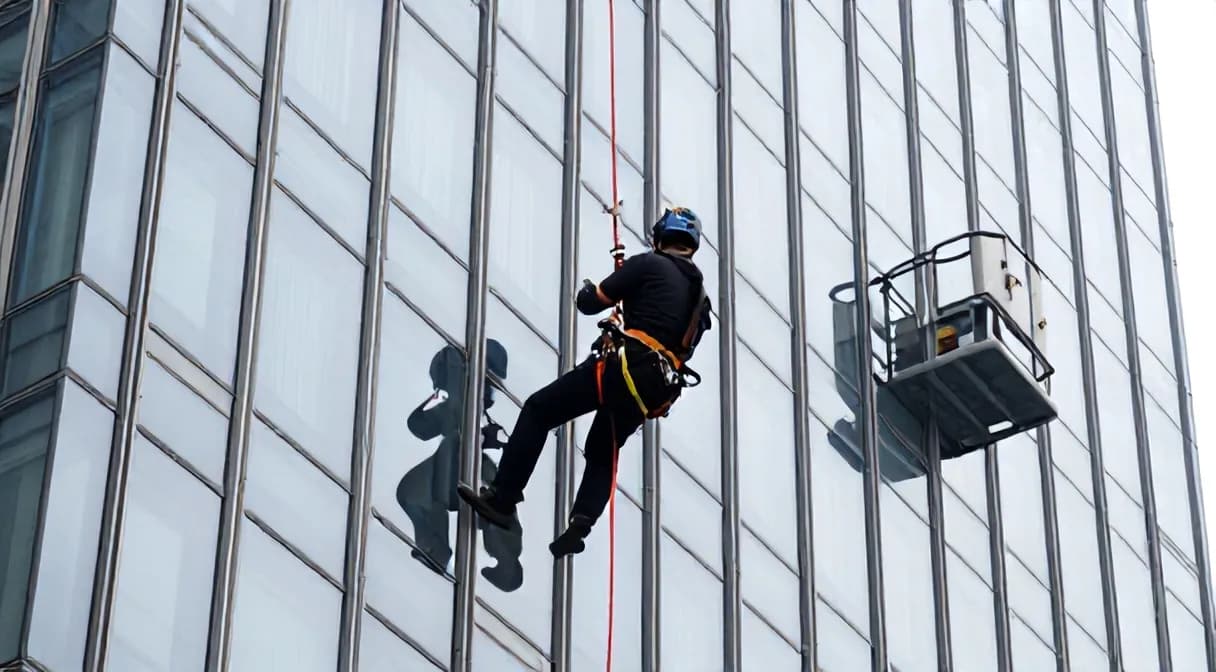
Two main access methods dominate high‑level glass projects: rope access and gondola (suspended platform) systems. Rope access is ideal for narrow façades and when speed is critical, while gondolas provide a stable work platform for larger panels.
When selecting rope access, ensure technicians are certified under the Singapore Rope Access Trade Association (SRATA) and equipped with fall‑arrest systems, harnesses, and double‑rope setups for redundancy.
For gondola work, verify that the platform is inspected, has a load rating exceeding the glass panel weight, and includes guardrails and emergency descent devices.
Essential Safety Equipment Checklist
Before climbing, gather a complete safety kit: full‑body harness, lanyard with shock absorber, helmet, non‑slip gloves, and a personal fall‑arrest system. All equipment must be inspected for wear and certified annually.
Use a certified rope‑access kit that includes a secondary safety line, carabiners, and a rescue rope. Keep a rescue plan visible on the worksite and conduct a brief drill with the crew.
For gondola operations, check the platform’s anchorage points, safety nets, and communication devices. Ensure a backup power source is available in case of power loss.
- Full‑body harness
- Shock‑absorbing lanyard
- Helmet with chin strap
- Rescue rope and secondary line
- Gondola platform safety net
Preparing the Glass Panel and Work Area
Measure and label the glass panel accurately before removal. Use protective film on the surface to prevent scratches during transport and installation.
Clear the work area of debris and set up a safety perimeter with warning signs and barriers. Coordinate with building management to control pedestrian traffic and elevator usage.
RH Glass Solution’s team often uses a temporary support frame to hold the panel while it is being secured, reducing the time the glass is exposed to wind or vibration.
Executing the Installation Safely
When using rope access, attach the primary line to a certified anchor point and double‑check the load rating. Slowly lower the glass panel using a controlled descent device to avoid swinging.
With a gondola, position the platform directly under the installation point, secure the panel on a cradle, and use a winch system to guide it into place. Keep a spotter on the ground to monitor alignment.
Secure the glass with stainless‑steel brackets or silicone sealants as specified by the project design. Verify that all fixings are tightened to the correct torque to prevent later movement.
Post‑Installation Inspection and Customer Care
After the panel is fixed, conduct a thorough visual inspection for cracks, gaps, or misalignment. Use a laser level to confirm the panel is plumb and flush with adjacent glass.
Document the work with photos and a completion report. Offer the client a maintenance schedule that includes regular cleaning and periodic safety checks.
If you need professional support, RH Glass Solution provides ongoing glass repair and maintenance services. Reach out for a free safety audit or emergency assistance.
Frequently Asked Questions
Do I need a licence to perform rope‑access glass work in Singapore?
Yes, technicians must be certified by an approved body such as SRATA and the employer must hold a valid Workplace Safety and Health (WSH) licence for rope access work.
Can gondola platforms be used on any high‑rise building?
Gondolas require a sturdy roof or façade anchorage that can support the platform’s weight. A structural engineer must approve the installation before use.
How often should safety equipment be inspected for high‑level glass projects?
All harnesses, ropes, and fall‑arrest devices should be inspected before each use and undergo a full certification inspection at least once a year.